Osaka Sumo Stable Morning Practice Tour: Watch Real Asageiko (Not a Show)
The sumo shows in Osaka are excellent. This is not a sumo show. The Osaka Sumo Stable Authentic Practice Tour takes a small group of ten into a professional stable to watch morning practice — asageiko — the way it happens every day when the tourists are not there: wrestlers training on a real dirt dohyo, drilling shiko stomps, wrestling practice bouts and conditioning drills with the same focused intensity they bring to tournament preparation. No English MC. No choreography. You sit meters from the ring in the quiet of the stable and watch professional sumo at work. Then you get photos with the wrestlers afterward. At $113 it is the most expensive experience on this site, and for what you see, it is the most honest one. (All options compared: sumo shows and experiences in Osaka.)
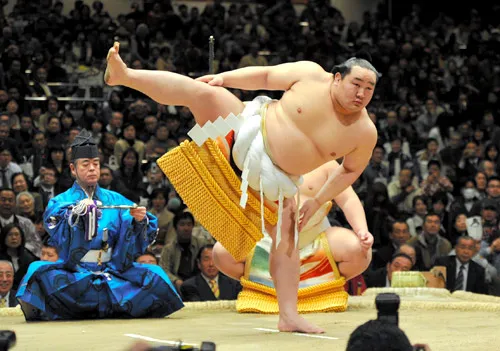
About This Activity
Real daily training — not a performance for tourists
Intimate access; sessions sell out in advance
Two hours watching live sumo practice at close range
Free photos with the wrestlers after practice ends
Authentic stable environment — no MC, no choreography
Two verified reviews, both five stars
Check Live Availability & Practice Dates
Real-time availability for the Osaka Sumo Stable Practice Tour — maximum 10 guests per session. Sessions are limited by the stable's training schedule; check the calendar for upcoming dates.
What Asageiko Is and Why It Matters
Asageiko (朝稽古) — morning practice — is the foundation of a sumo wrestler's career. It begins around 6am and runs until mid-morning. In a traditional stable (heya), wrestlers train in strict rank order: junior wrestlers drill shiko stomps, squats and throwing practice on the dirt dohyo for hours before the upper-ranking wrestlers take the ring. The most senior rikishi practice last.
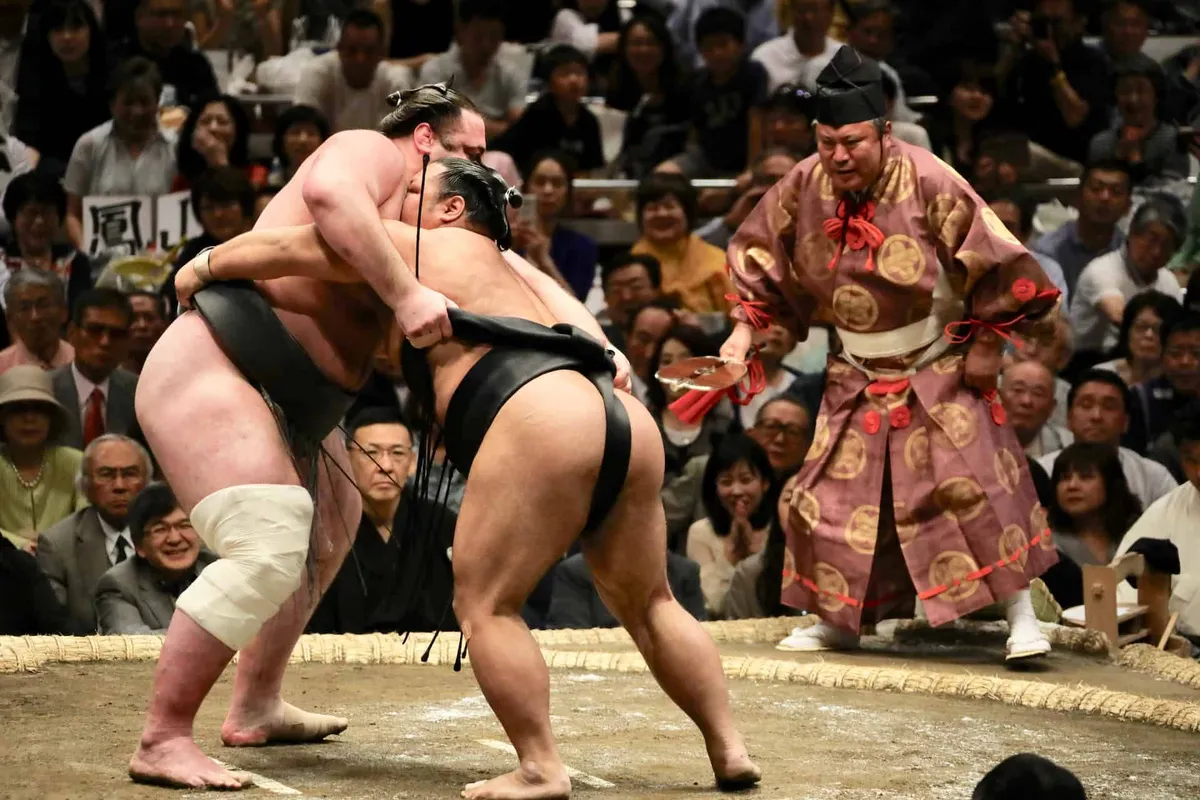
There are no audiences in a closed morning practice. The only people in the stable are the wrestlers, the oyakata (stable master), and occasionally family members. The silence is intentional: no commentary, no crowd reaction — just the sound of bodies hitting clay, the smack of a tachiai collision and the quiet direction of the stable master.
Watching this as a visitor — sitting meters from the ring on the practice floor — is a genuinely different experience from watching a sumo show. The wrestlers are not performing for you. They are doing what they do every morning. That distinction changes everything about what you observe: the fatigue in the later rounds, the muscle memory in the techniques, the intensity in the briefest exchange between the stable master and a wrestler mid-drill.
For any traveler who already understands sumo and wants to see the real practice behind the professional sport, this is the only way to access that world as a tourist in Osaka.
Inside a Professional Sumo Stable Practice
What You'll See During Practice
A typical asageiko session includes:
- Shiko warm-up: wrestlers drill the leg-raise-and-stomp sequence, hundreds of repetitions — far more physically demanding to watch than any show demonstration
- Suri-ashi footwork drills: the shuffling defensive movement unique to sumo, practiced until it is automatic
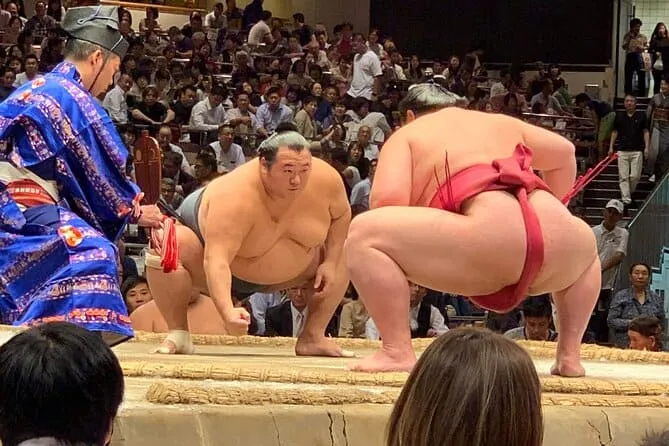
- Butsukari-geiko: one wrestler pushes another across the dohyo repeatedly — a conditioning drill that builds the explosive chest-to-chest drive of a real tachiai
- Moshi-ai (round-robin sparring): wrestlers challenge each other in live bouts, cycling through the group, with the winner staying in the ring
- Post-practice cool-down and stable master instruction: after the main practice, the oyakata addresses the wrestlers — a rare moment to observe the coaching relationship
You sit directly on the stable floor (or on cushions), at most two or three meters from the ring. There is nothing between you and the practice. When two wrestlers collide in tachiai you can hear the impact and feel the concussion of it in the floor beneath you.
What's Included
Your booking includes:
- Small-group access (maximum 10 guests) to watch 2 hours of professional sumo morning practice
- Seated placement meters from the dohyo ring inside the stable
- Observation of authentic asageiko in an active professional sumo stable
- Free photos with the wrestlers after practice concludes
What this is not
This is not a show, a demonstration or a tourist performance. The wrestlers are not performing for your group. You are a quiet observer of their actual daily training.
There is no English commentary during practice — a guide may provide context before and after, but during practice the environment is the stable's own.
What to bring
Dress modestly — you are entering a working professional sports facility. No shoes beyond the entry point (Japanese indoor convention). A camera or phone is fine for photos; flash photography may be restricted, confirm when booking.
Arrive on time or early; the practice schedule does not pause for late arrivals.
How the Morning Works
A structured but flexible schedule:
- Early arrival (typically 6:00–8:00am depending on the stable's schedule that day): meet your guide at the agreed point
- Stable entry and briefing: your guide explains stable etiquette — where to sit, when to be quiet, what photography is permitted
- Observation begins: watch asageiko from your position meters from the ring for approximately two hours
- Practice concludes: the stable master ends the session; wrestlers begin cool-down and stretching
- Photo session: free photos with the wrestlers in the stable — informal, unhurried, professional
The timing is determined by the stable's schedule, not a tourist programme. Your guide will confirm the exact meeting time in advance based on that morning's practice plan.
Important Things to Know Before You Book
Critical logistics and expectations:
- Maximum 10 guests — this is a small-group experience that sells out; book well in advance
- Practice is real and unscripted — the session may run shorter or longer depending on the stable's needs that day
- Respectful silence is expected during practice; your guide will brief you on what is and isn't appropriate
- Confirm exact meeting time with your guide after booking — it depends on that day's stable schedule
- Dress modestly; indoor footwear conventions apply (remove shoes at the entry point)
At $113 this is the premium-priced option. The difference from the $60 shows is not production quality but access: you are seeing sumo that would happen whether you were there or not. There is no equivalent of that in any of the show formats.
Where the Practice Takes Place in Osaka
Who This Tour Is (and Isn't) For
The right traveler for this tour:
- Sumo enthusiasts who have seen the shows and want the real training behind them
- Travelers who specifically want authentic Japanese culture rather than produced entertainment
- Sports journalists, photographers or researchers with a professional interest in sumo
- Anyone who has read about asageiko and wanted to watch it for years — this is the way in
Not the right fit for: Torn between this and a staged performance? Our show vs morning practice comparison settles which suits which traveler.
- First-time sumo observers who need context before they can appreciate what they're watching — the shows are better entry points
- Visitors who want to step into a dohyo or challenge a wrestler — this is observation only
- Travelers who want a morning lie-in — this starts early
- Anyone who needs a comfortable seated arrangement — you sit on the stable floor at ring level
Osaka Sumo Stable Practice Tour FAQ
What is asageiko?
Asageiko (朝稽古) means 'morning practice' in Japanese. In professional sumo stables, it refers to the daily training session that typically runs from around 6am to 10-11am. It is the most important part of a wrestler's day: competitive bouts, conditioning drills and technique refinement, conducted under the supervision of the oyakata (stable master). Every professional wrestler participates; tournament preparation and daily improvement happen through asageiko, not in public shows.
Are these professional sumo wrestlers, not performers?
Yes. The wrestlers in the stable are active professionals — not retired wrestlers doing a tourist show. They are preparing for tournaments. You are watching a real training session, not a choreographed demonstration. The difference in intensity, focus and physical condition is immediately apparent to any visitor who has also attended one of the entertainment shows.
Why is the group limited to 10?
Stable access is controlled tightly because the wrestlers are at work. A larger group would disrupt the training environment. The 10-person maximum is set to keep the visit invisible to the session — you observe without the practice acknowledging your presence. This is both respectful to the athletes and what makes the experience feel genuine.
Can I take photographs?
Generally yes, though flash photography is typically restricted as it distracts the wrestlers. Your guide will confirm specific photography rules for the stable before the session begins. The post-practice photo with the wrestlers is unrestricted — you'll have time for personal photos in an informal setting after practice concludes.
How is this different from the sumo shows?
The shows feature retired professional wrestlers performing demonstrations and bouts for tourist audiences, with English commentary and structured programmes. This stable tour features active professional wrestlers training for competitive purposes with no awareness of or adjustment for your presence. The shows are designed to be understood; the practice tour is designed to be witnessed. Both are valuable — they answer different questions about sumo.
Why only 2 reviews if it's a 5.0 rating?
This is a new listing on GetYourGuide — the stable access was recently opened to small tourist groups. Two reviews is a small sample but both are five stars. The format is rare (not many stables open morning practice to tourists), and the review base will grow. The 5.0 rating reflects the experience's consistency with what is described; the low review count reflects its newness, not its quality.
What Visitors Say
I've been to two sumo tournaments in Tokyo and three shows in Osaka. Nothing prepared me for sitting on the floor of a stable watching these men train. The silence, the physicality, the way the stable master corrects technique with a word — it's a completely different window into the sport.
This is not entertainment — this is sport. The other shows in Osaka are excellent but they are performances. This is two hours of professional athletes doing their actual jobs, and you're sitting close enough to hear them breathe. The post-practice photos were a generous addition.
A sumo enthusiast's dream. I've been trying to get stable access in Japan for years — tours like this don't come up often. The wrestlers were clearly professionals at a different level from the show performers. Worth the premium over the other experiences by a significant margin.