Sumo Osaka: Shows, Tickets & How to See Sumo in Osaka
Sumo Osaka comes in two forms: the Grand Tournament that fills 15 days every March, and year-round shows where retired rikishi fight, pull you into the ring and share chanko.
The Osaka Grand Sumo Tournament runs for 15 days every March, and outside those dates you cannot watch professional sumo in the city. What runs year-round instead are shows by retired rikishi: 1 to 1.5 hours for $60 to $91, with a live match, a chance to step onto the ring and, on some tickets, a chanko hot pot meal. One tour visits an actual training stable rather than a show venue.
March is the only month with a professional tournament in Osaka; every other month, these shows are how you see sumo here
Real retired pro wrestlers
English-speaking MC
Free cancellation 24 hrs before
Central Osaka, year-round
1,500 yrsOf sumo tradition
6Shows & experiences
3,100+Verified reviews
4.4–5.0★Ratings
Top Rated — 1,049 Reviews, 4.8★
Most Popular Sumo Experience
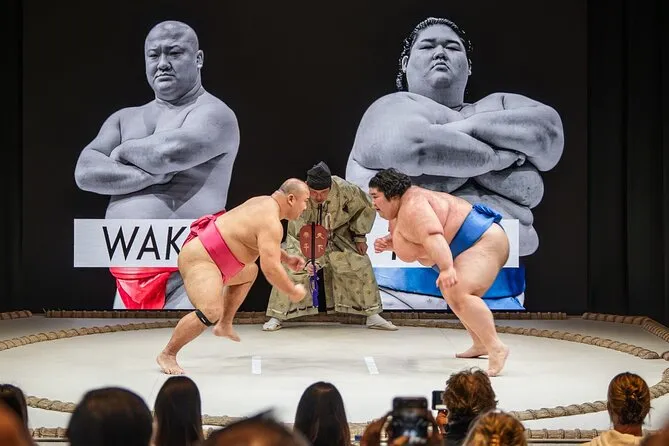
Osaka Sumo Experience with Live Show & Audience Challenge
★★★★★★★★★★4.8(1,049 reviews)
The most popular sumo show in Osaka: watch retired professional wrestlers demonstrate authentic training, techniques (kimarite) and a one-round match (tachiai), with a lively English MC. You can even step into the ring and challenge a wrestler yourself. Skip-the-queue entry, wheelchair-accessible.
Six ways to see sumo in Osaka — from a top-rated live show where you can challenge a wrestler, to a polished production at Sumo Hall Hirakuza, a family dinner-show with chanko hot pot, a casual sports-bar night, and a real morning practice at a stable. Every option has an English MC or guide; most include free cancellation.
from $60
Osaka Sumo Experience with Live Show & Audience Challenge
★★★★★★★★★★4.8(1,049 reviews)· 1.5 hours
The most popular sumo show in Osaka: watch retired professional wrestlers demonstrate authentic training, techniques (kimarite) and a one-round match (tachiai), with a lively English MC. You can…
Osaka: Ultimate Sumo Live Show & Challenge on the Sacred Ring
★★★★★★★★★★5.0(34 reviews)· 1.5 hours
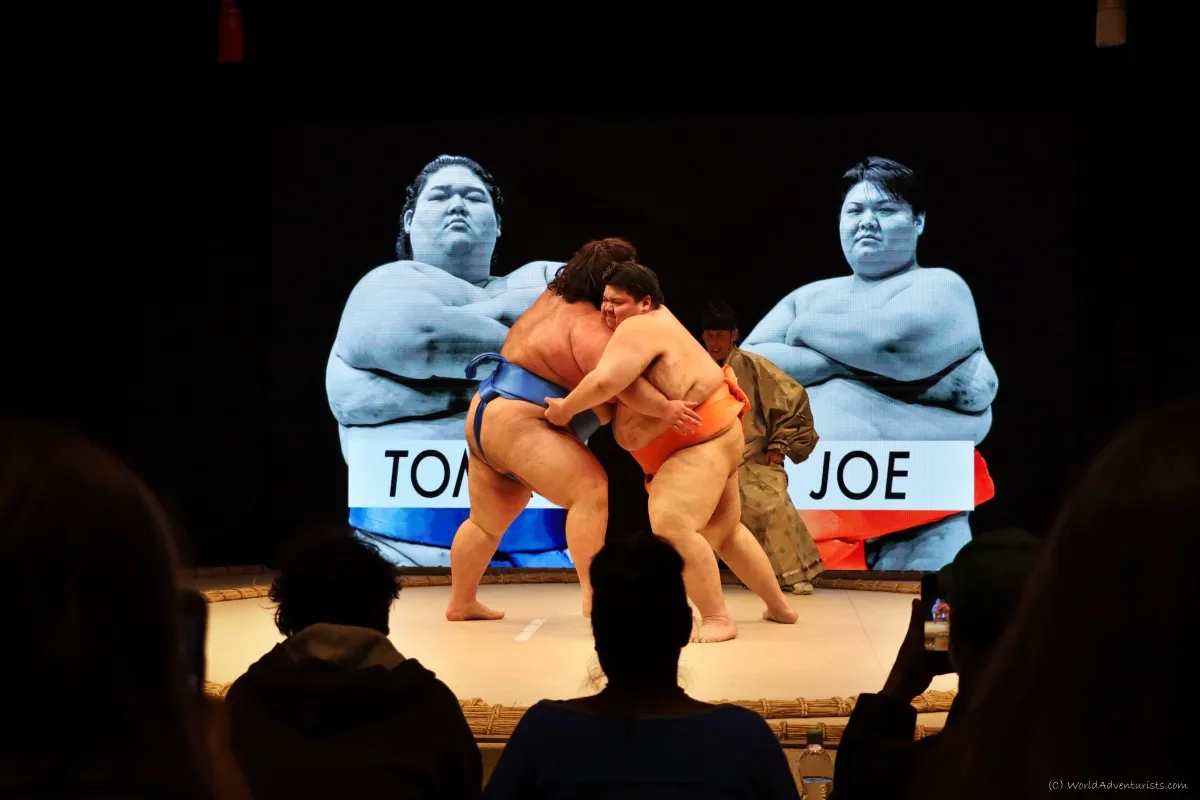
An authenticity-obsessed sumo show by Kaminari Ichimon: former professional rikishi on a pro-grade dohyo, with full-English commentary on sumo's 1,500-year history, rituals, rankings and its deep link to…
Osaka Sumo Experience: Show, Try Sumo & Chanko Hot Pot Meal
★★★★★★★★★★4.5(1,465 reviews)· 1.5–4 hours
A family-friendly sumo show and hands-on experience by former rikishi, with optional chanko nabe (the wrestlers' hot pot) or wagyu sukiyaki dining. After the live bouts, step into…
Osaka: Sumo Show with Bento or Snack at Sumo Hall Hirakuza
★★★★★★★★★★4.4(477 reviews)· 1 hour
The polished sumo entertainment show at THE SUMO HALL HIRAKUZA OSAKA — Japan's dedicated sumo show hall on the 8th floor of Namba Parks — fusing sumo with…
Osaka: Sumo Show & Live Match with Photo (Sports Bar)
★★★★★★★★★★4.8(78 reviews)· 1.5 hours
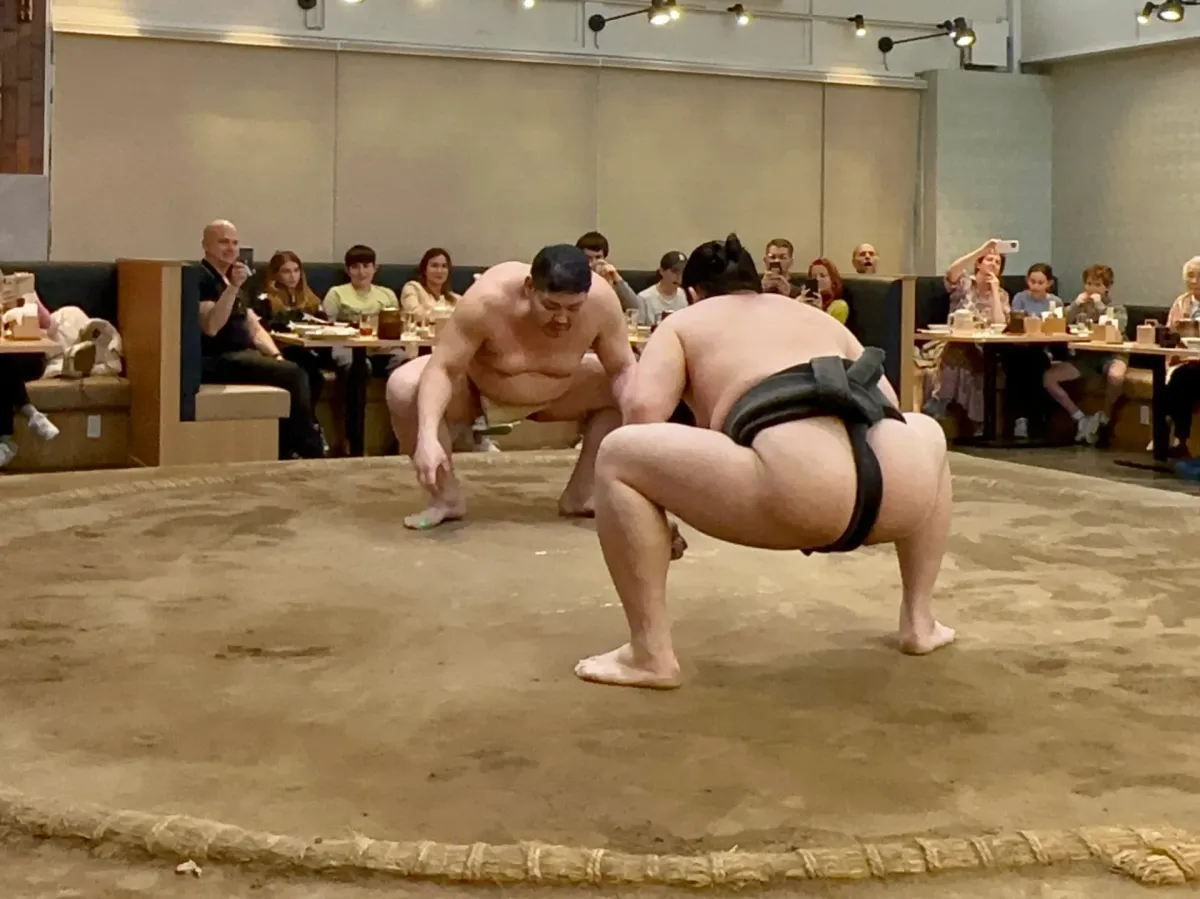
A casual, fun sumo night in a sports-bar setting: watch live sparring, shiko stomps and salt-throwing rituals with an English MC, then suit up and challenge a wrestler…
Osaka: Sumo Stable Authentic Practice Tour (Not a Fake Show)
★★★★★★★★★★5.0(2 reviews)· 2 hours
For travelers who want the real thing — not a tourist show: a small-group visit to watch authentic morning practice (asageiko) by professional sumo wrestlers training in Osaka…
🤼Retired prosReal rikishiFormer professional wrestlers, not actors
🎤English MCFull commentaryHistory, rules and rituals you'll understand
💪Ring challengeStep in yourselfPut on a mawashi and face a wrestler
📸PhotosWith the wrestlersA commemorative photo after the show
📅Year-roundAny monthShows run all year, unlike the tournament
🎟Free cancelLow riskUp to 24 hours before on most shows
How to See Sumo in Osaka: The Complete Guide
How to See Sumo in Osaka Year-Round
There are two ways to see sumo in Osaka. The famous one — the official Grand Sumo Tournament — only comes to the city for about 15 days each March, with official tickets sold separately and selling out fast. The everyday way, available all year, is the city's excellent tourist sumo shows and experiences.
You can book sumo tickets online for live sumo wrestling demonstrations and sumo matches by retired professional rikishi, hosted in clear English — learn the history and rituals, and even step into the ring yourself. This guide focuses on what you can actually book and see year-round — plus a real morning practice for those who want the genuine article.
Way to see sumo
When
What it is
From
Sumo show / experience
Year-round
Live show by retired rikishi, English MC
$60
Show + chanko meal
Year-round
Dinner-show with the wrestlers' hot pot
$68
Real stable practice
Year-round
Authentic morning training (asageiko)
$113
Grand Sumo Tournament
~15 days in March
Official pro tournament (tickets via official site)
varies
Sumo Show vs the Real Thing
Be clear on what you're booking. A sumo show is an entertainment experience performed by former sumo wrestlers — genuine retired professional athletes demonstrating real techniques, with plenty of humor, audience participation and photos. It's the most fun, accessible way to understand sumo, and it's what most visitors to Osaka want.
If you specifically want to watch elite wrestlers train with no showmanship at all, book the real sumo stable practice instead, where you sit quietly meters from the ring during morning training. Both are 'real' — the shows use real retired pros; the practice tour is real active training. Just pick the experience that matches your expectations.
Where to See Sumo in Osaka
Osaka's sumo experiences are spread across the city, all easy to reach by metro. Here's where the main ones are and what each is known for.
Venue / area
Experience
Known for
Namba Parks (Namba)
Sumo Hall Hirakuza Osaka
Polished production show + bento
Nishinari (Hanazonochō Stn)
Live Show & Audience Challenge
Top-rated, ring challenge
Shinsekai / Minami
Ultimate Show on the Sacred Ring
Authenticity, small group
Rinku Town (near KIX airport)
Show, Try Sumo & Chanko
Family dinner-show + hot pot
Tanimachi 9-chōme
Real Sumo Stable Practice
Authentic morning training
What Happens at a Sumo Show
A typical sumo show in Osaka runs about an hour to ninety minutes and follows a clear arc, all narrated in English:
An introduction to sumo's 1,500-year history, rituals and ranking system
Pre-bout rituals — shiko (leg stomps) and salt-throwing to purify the ring
Live demonstration matches and famous techniques (kimarite) by retired rikishi
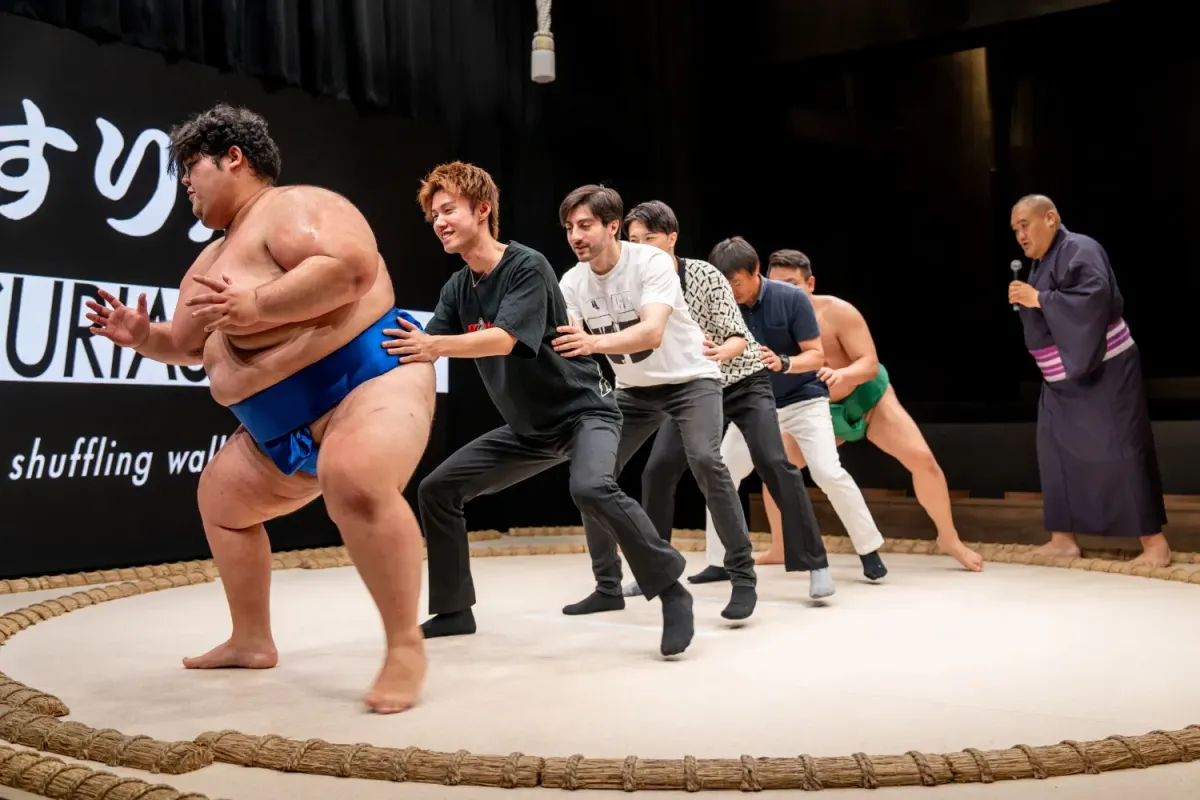
An audience challenge — put on a mawashi and try to face a wrestler
A commemorative photo with the wrestlers to finish
Sumo Hall Hirakuza Osaka
THE SUMO HALL HIRAKUZA OSAKA, on the 8th floor of the Namba Parks shopping center, is Japan's purpose-built sumo show hall — the most produced option, fusing the sport with sound, lighting and visuals on an elevated ring. You watch former wrestlers battle while enjoying a room-temperature bento or snack and a drink, then take a commemorative photo. It's central, polished and great for a first sumo experience; book a standard or premium seat, with bento or snack.
Sumo Practice: Watch a Real Morning Training
For travelers who want zero showmanship, a sumo practice (keiko) visit is the real thing. At a working stable near Tanimachi 9-chōme you sit just meters from the ring during morning practice (asageiko) — no announcers, no crowd, only the heavy breathing of the wrestlers, the stern commands of the stable master, and the thunderous clash of bodies that shakes the floorboards. It's an intimate, small-group experience (limited to about 10), and you can take photos with the wrestlers afterward.
Sumo Rules, Rituals & the Dohyo
Sumo is simple to follow and rich to watch. Two wrestlers face off on the dohyo — a raised clay ring about 4.55 meters across, ringed by rice-straw bales. A wrestler loses the instant he steps out of the ring or touches the ground with anything other than the soles of his feet, so bouts are often explosive and over in seconds.
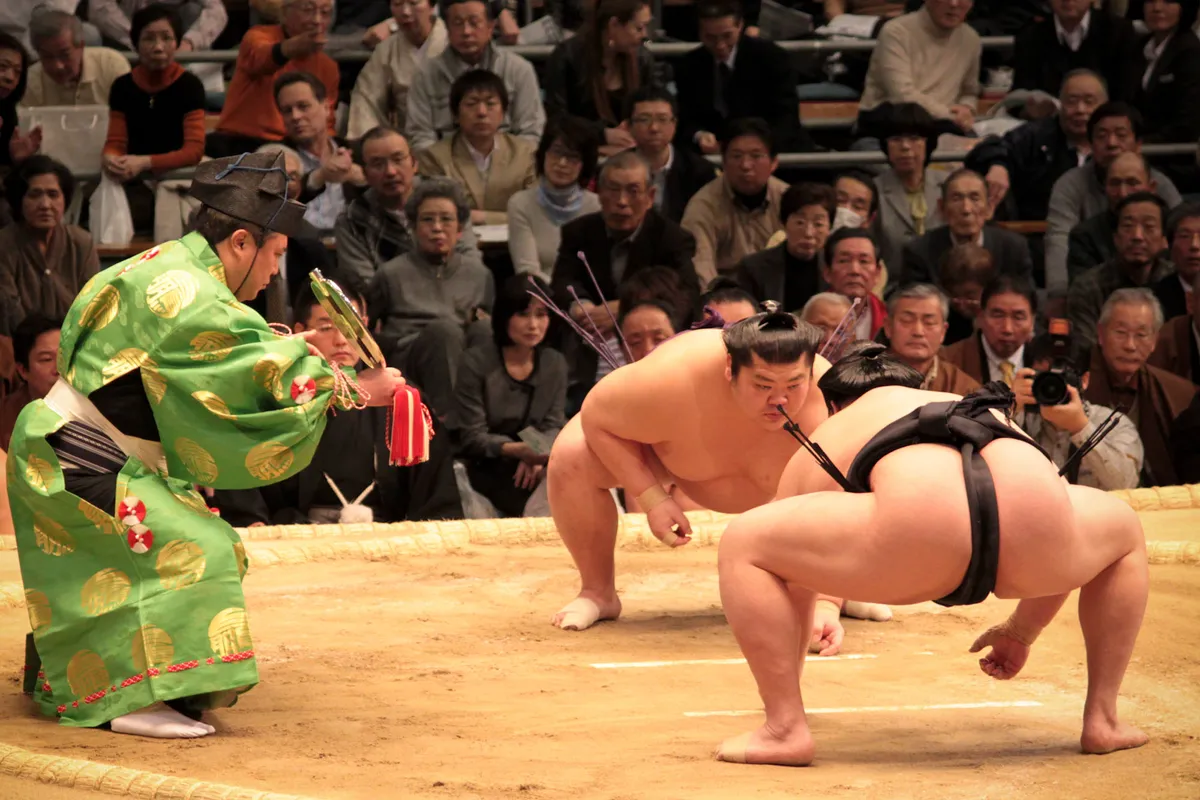
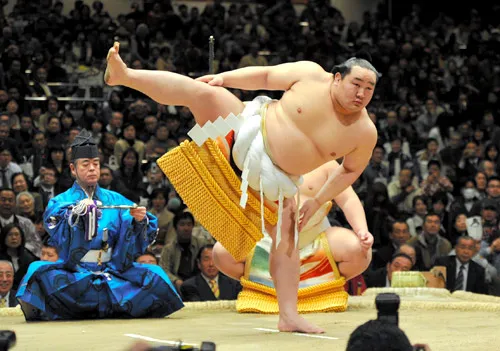
Before the charge (tachiai), wrestlers perform shiko leg stomps and throw salt to purify the ring — rituals rooted in Shinto. The sport's ranking ladder (banzuke) runs up to the top rank of yokozuna, and a referee (gyōji) in ornate robes calls each match.
Sumo in Osaka vs Tokyo & the Rest of Japan
Professional sumo holds six grand tournaments a year, rotating between Tokyo (three), Osaka (March), Nagoya and Fukuoka — so Osaka only hosts a tournament once a year. The good news: Osaka has become the best city in Japan for bookable, English-friendly sumo shows, so you can see and even try sumo here any month, no tournament required. If you're also visiting Tokyo, the capital has its own stable-practice viewings, but Osaka's range of polished shows and dinner experiences is hard to beat.
And because Osaka is barely 15 minutes from Kyoto by train, a sumo show makes an easy evening out for visitors based in Kyoto too.
Best Time & Tips for Seeing Sumo in Osaka
You can see a sumo show in Osaka any day of the year — most run daily, often with afternoon and evening start times. A few tips for a smooth visit:
Book ahead — the top shows sell out, especially on weekends
Arrive 15–30 minutes early; some shows admit late guests as no-shows
Check what's included — bento, chanko meal and ring challenge vary by show
Most shows are wheelchair-accessible and family-friendly; check before booking
Bring a camera — photos with the wrestlers are part of the experience
What Happens at a Sumo Show in Osaka
A quick look at the rituals, action and extras you'll experience at a typical Osaka sumo show.
Salt throwing
Purifies the ring
Shiko stomps
The opening ritual
Tachiai
The explosive charge
Kimarite
Winning techniques
English MC
Full commentary
Ring challenge
Face a wrestler
Photo with rikishi
After the show
Chanko nabe
The sumo hot pot (optional)
Exact inclusions vary by show — check each experience for the ring challenge, bento or chanko meal.
Where to See Sumo Shows in Osaka
What Visitors Say About Osaka Sumo Shows
★★★★★★★★★★
We loved the Sumo Experience with Live Show & Audience Challenge! The show was great, Takuto was a very informative MC and made it entertaining. We loved learning about sumo and watching the demonstrations from retired wrestlers. The audience challenge was great fun!
Katrina · United Kingdom
★★★★★★★★★★
No fake show — the real deal! Good seats super close to the ring, like a private audience. The hosts gave great context, then the sumo fighters did warm-ups, demos and a real fight, and we were invited to try it ourselves. Such authenticity. A MUST DO when you're in Osaka.
Yves · Belgium
★★★★★★★★★★
A very real and definitely not a fake sumo practice. I'd booked a sumo show but cancelled it for this and was so happy I did. The practice was full on and ended with at least 40 minutes of real wrestling — we sat within touching distance. I highly recommend it for value, authenticity and education.
Natasha · Australia
Why Book a Sumo Experience in Osaka in Advance
They Sell Out
Osaka's best sumo shows are small and hugely popular — the top experience has over 1,000 five-star reviews. Booking ahead, especially on weekends, is the only way to be sure of a seat.
Free Cancellation
Most shows let you reserve now and pay later, with free cancellation up to 24 hours before. Lock in your spot with zero risk and keep your Osaka plans flexible.
English, Start to Finish
Every show we list is hosted by an English-speaking MC who explains the history, rules and rituals — so you understand what you're watching, not just see it.
More Than Watching
Step into the ring and challenge a wrestler, try on a mawashi, share a chanko hot pot, or watch a real morning practice. These are experiences you take part in, not just observe.
Sumo in Osaka, Filmed by the Audience
A tournament day, a retired-rikishi show and an honest verdict on whether it is worth the ticket.
The March tournament in Osaka
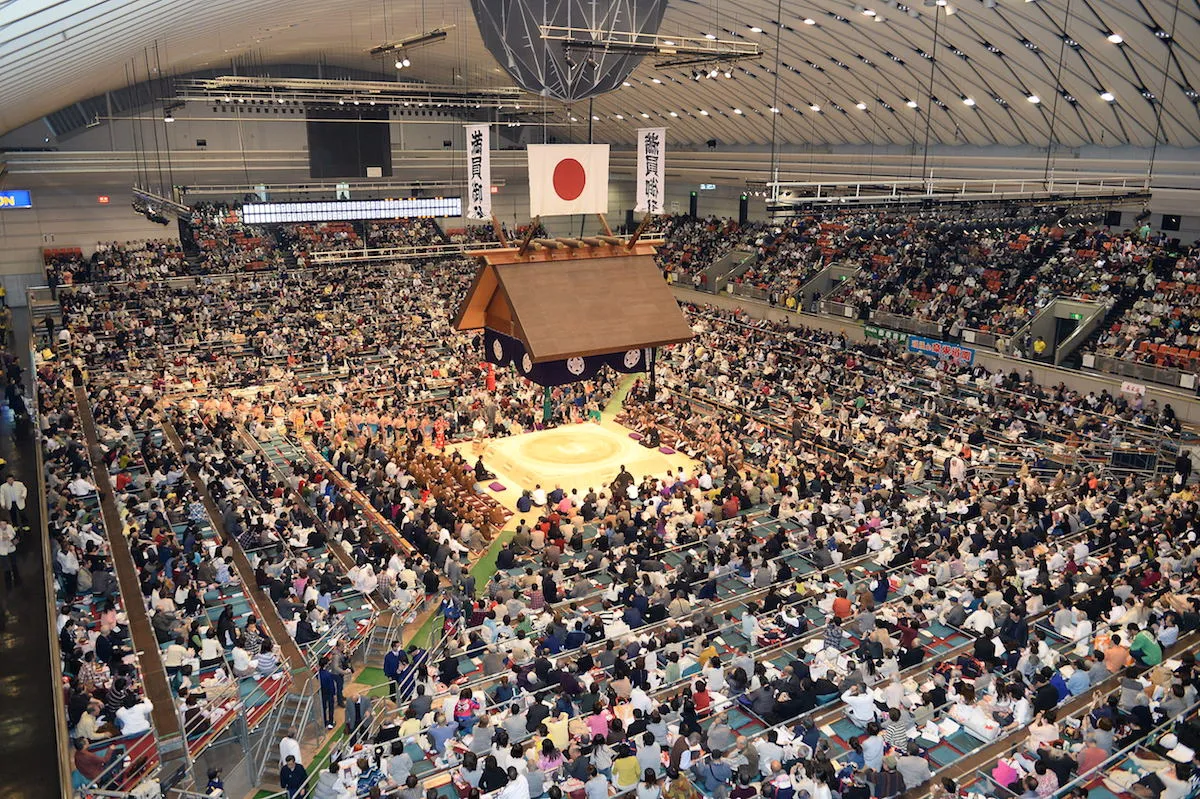
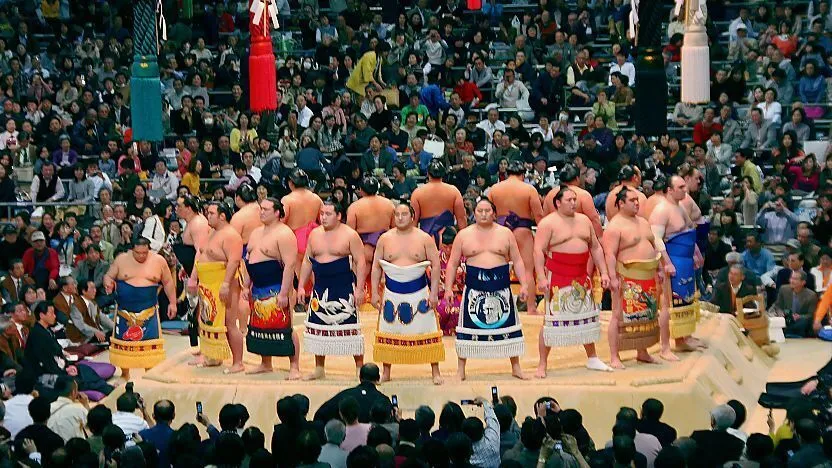
Inside the Grand Sumo Tournament during its 15 days at the Edion Arena.
Video: Everyday Ordinary
A sumo show with retired wrestlers
The format that runs year-round: a live match, the ring challenge and chanko afterwards.
Video: Samurai Chronicles
We watched real sumo in Japan — was it worth it?
A visitor weighs the show against the tournament, with the prices they paid for each.
Video: Nobita
Videos load from YouTube only when you press play.
Sumo Osaka FAQ
How can I see sumo in Osaka?
The easiest way is a sumo show or experience (our first-timer guide walks through exactly what happens) — a live demonstration and match by retired professional wrestlers, hosted in English, available year-round from about $60. You can also watch a real morning practice at a stable, or, for about 15 days each March, attend the official Grand Sumo Tournament. Compare the best sumo shows and experiences in Osaka to book online. For the live performance at Sumo Hall, read the Sumo Hall Hirakuza Osaka review to see what to expect.
Is there a real sumo tournament in Osaka?
Yes — the Grand Sumo Tournament (Haru Bashō) comes to Osaka for about 15 days every March, with official tickets sold separately through the official sumo association and selling out quickly. Dates, seat classes and buying steps are in our March tournament ticket guide. Outside of March there's no tournament, which is why the year-round sumo shows and experiences are the way most visitors see sumo in Osaka.
Are the Osaka sumo shows real or fake?
They're performed by genuine retired professional wrestlers demonstrating real sumo techniques and matches, with an entertaining, tourist-friendly format. They're not the official pro tournament, but the wrestlers and the sport are real; our honest look at whether the show is worth it covers the difference in detail. If you want elite wrestlers training with no showmanship, book the real morning practice at a working stable instead.
How much do sumo experiences in Osaka cost?
Most sumo shows in Osaka run about $60–$91 per person; our full price guide breaks down every option including tournament seats. A live show with audience challenge is around $60, a polished show with bento at Sumo Hall Hirakuza about $91, a show with chanko hot pot meal about $68, and a real stable-practice visit about $113. Many include free cancellation.
Can I try sumo myself or get a photo with the wrestlers?
Yes — most shows invite guests to put on a mawashi and step into the ring to face a wrestler (often by lottery if numbers are high), and nearly all finish with a commemorative photo with the rikishi. Check each experience's inclusions, as the ring challenge varies. The Osaka sumo sacred ring show and the live sumo show with audience challenge both feature ring participation.
What is chanko nabe?
Chanko nabe is the hearty hot pot that sumo wrestlers eat to fuel their training — a protein- and vegetable-rich stew. Some Osaka sumo experiences, like the dinner-show near Kansai Airport, let you eat authentic chanko nabe (or wagyu sukiyaki) while watching the show. The chanko nabe sumo dinner experience covers what the meal includes and how the combined show-and-hot-pot format works.
Where are the sumo shows in Osaka?
They're spread across central Osaka and all easy to reach by metro: Sumo Hall Hirakuza is in Namba Parks (Namba), the top-rated live show is near Hanazonochō Station in Nishinari, the authentic ring show is near Shinsekai/Minami, the chanko dinner-show is near Kansai Airport, and the real stable practice is near Tanimachi 9-chōme.
Are sumo shows in Osaka family-friendly?
Very. Most are suitable for all ages, many offer discounted children's pricing, and the dinner-show near the airport actively welcomes families with kids' plates and priority for the ring experience. Most venues are also wheelchair-accessible — check the specific show when booking.
Do I need to speak Japanese?
No. Every sumo show and experience we list is hosted by an English-speaking MC or guide, with the history, rules and commentary delivered in clear English. No Japanese is needed to fully enjoy it.
How long does a sumo show last?
Most Osaka sumo shows run about 1 to 1.5 hours, including the introduction, demonstration matches, audience challenge and photos. The dinner-show with a meal can run longer (up to about 4 hours with dining), and the real stable practice is about 2 hours. For a casual evening version, read about the sumo sports bar live match night which offers a shorter, more informal format.
Where should I stay to see sumo in Osaka?
Namba is the obvious base: the March tournament venue is about a 7-minute walk from Namba Station, THE SUMO HALL HIRAKUZA sits inside Namba Parks, and the Nankai line runs straight from Kansai Airport. Our guide to where to stay for sumo compares six Namba hotels from about $33 to $197 a night.
Ready to see real sumo in Osaka?
Osaka's top sumo shows sell out fast — check today's availability.
 from $60